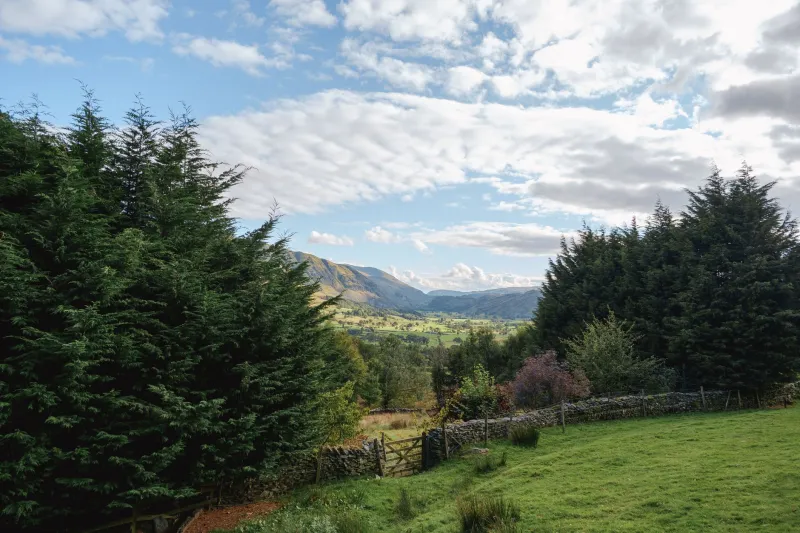
The Deck Doesn't Need a Headline Act: Rethinking the Cottage Hot Tub in 2026
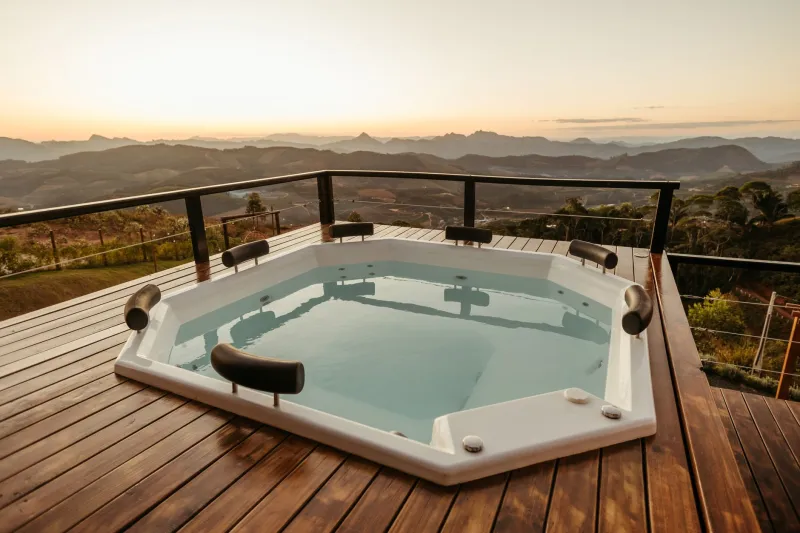
Somewhere along the way, the hot tub stopped being a bonus and became a personality. Listings lead with it. Photos linger on it. Search filters treat it as a non-negotiable. And for a certain kind of rural break — wet boots, dark evenings, a long walk followed by a longer sit — it can be genuinely lovely. But it can also be the most expensive thing in the garden and the least restful. The trick is working out which sort of hot tub cottage you're actually booking.
This isn't an argument against hot tubs. It's an argument for reading past the bubbles.
The premium is doing a lot of work
A hot tub adds to the headline price, and in 2026 that premium is not small. Across many rural pockets, a cottage with a tub can run £100–£300 more for a short break than a comparable cottage without one — sometimes more in peak season or in the most photographed corners of the countryside. That's fine if the tub is the point of the trip. It's less fine if you're paying for it and only using it once, on the first evening, before the novelty gives way to a wet swimsuit and a slight sense of obligation.
Ask yourself a blunt question: would you book this cottage at this price without the hot tub? If the answer is no, you're not buying a cottage break. You're buying a hot tub with a roof attached.
What the listing photo leaves out
Hot tub photos are usually taken at dusk, from the most flattering angle, with the lid off and a towel artfully draped. What they rarely show is context.
Privacy is the big one. A tub on an open deck can be overlooked by a neighbouring window, a public footpath, a lane, or the owners' own house. Steam and subtle deck lighting make a garden feel intimate to you and surprisingly visible to everyone else. Check the listing for phrases like "private deck" and then look at the wider photos: fences, hedges, outbuildings, the angle of the next house. If the tub is the only thing in the frame, assume it has neighbours.
Noise is the second. Jets are not silent. Late-night chat carries further than you think in a valley, and a hot tub has a way of extending an evening past the point where everyone else in the village has gone to bed. Some cottages set quiet hours; some rely on goodwill. Neither is a problem until it is.
Maintenance is the third. Hot tubs need water testing, chemical dosing, filter cleaning and covers that actually fit. Most of this happens between guests, but not all of it. If a property advertises a tub but can't tell you when it was last serviced, that's a clue about how the rest of the cottage is run.
The questions worth asking before you pay
A good owner will answer these without flinching:
- Where exactly is the tub, and what overlooks it?
- Is heating included, or is there a surcharge for electricity or logs?
- Are there set hours for using it?
- When is it serviced, and could that happen during our stay?
- What happens if it's out of order — refund, alternative, or a shrug?
- Is the cover easy to lift, and is the path to it lit and level?
- Does the cottage have a private water supply, and does filling the tub affect anything else?
That last one matters more than it sounds. In remote rural properties, water comes from a spring, a borehole or a tank. A hot tub is a thirsty appliance. It's not usually a dealbreaker, but it's worth knowing.
When a hot tub earns its keep
There are stays where the tub genuinely improves the trip. A cold-weather cottage with a private garden and a view of nothing but hills. A walking weekend where the reward for eight muddy miles is a long soak. A coastal bolthole in February, when the beach is bracing and the tub is the only outdoor activity that doesn't involve waterproofs. A group catch-up where the tub gives everyone somewhere to gather that isn't the kitchen.
It also helps if the property has limited bathing indoors. A cottage with one small shower and four guests is a different proposition from one with a decent bathroom and a tub.
And it helps if the tub is wood-fired and properly managed, or electric and honestly priced. The worst version is a tub that's technically included, slightly lukewarm, and surrounded by a deck that's been squeezed into a garden too small for it.
The case for the simpler cottage
The cottage without a hot tub often has the better view, the quieter garden and the more generous sitting room — because the money went into the building rather than the deck. It also leaves budget for the things that make a rural break feel like one: a proper pub lunch, a bit of firewood, a taxi home from the village, a second pot of coffee.
There's a particular kind of peace in a garden that isn't waiting for you to use something. No cover to lift, no chemicals to respect, no quiet-hours anxiety. Just a bench, a view and the sound of whatever is actually there.
A quick decision framework
Before you book, run three checks. First, total cost: compare the hot tub cottage with a similar one nearby, including any heating fee or cleaning charge. Second, privacy: look at the wider photos and ask directly what overlooks the tub. Third, honesty: will you really use it more than once?
If the answers stack up, book it and enjoy the steam. If they don't, book the simpler cottage and let the valley do the entertaining. In 2026, with prices where they are, that's not a compromise. It's a better-planned break.