Book the Day, Not Just the Cottage: How Changeover Timing Shapes a Rural Break

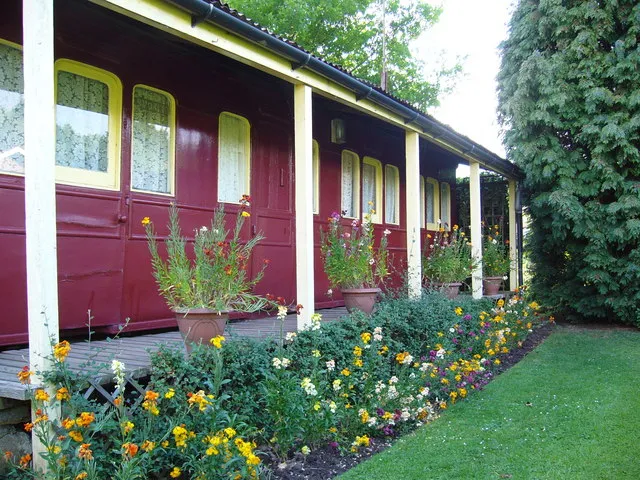
Photo: Mike Kirby, CC BY-SA 2.0, via Wikimedia Commons
There is a moment in every cottage booking when the calendar does more work than the photographs. You have found the place — low beams, a view over a valley, a garden that looks like it belongs to someone's grandmother — and then you click through to availability and pick a date almost absent-mindedly. Friday looks good. Or Saturday, because that is what everyone does. And off you go.
But the day your break starts is not a neutral detail. It decides how much traffic you sit in, whether the cleaner is on their second cottage or their fifth, how the pricing behaves on a short break, and — most importantly — whether the first afternoon feels like the beginning of a rest or the tail end of a logistics operation. None of that appears in the listing. It is all perfectly findable, though, if you know what to ask.
The hinge nobody advertises
Almost every holiday cottage runs on a changeover: one party out by mid-morning, another in by late afternoon. Ten o'clock departure, four o'clock arrival is the common shape of it, which leaves something like six hours for cleaning, laundry, hot tubs, bin runs and the small repairs that nobody mentioned. In that window sits the entire difference between a cottage that greets you calmly and one that still smells faintly of lemon floor cleaner at half past five.
Six hours sounds generous until you learn that the same cleaner may be turning around three properties that day, or that the linen does not live on site and arrives in a van. The weekday matters because it changes all of that. A Tuesday changeover is a different beast from a Saturday one, and the difference is worth about as much as an extra night.
Friday, Saturday, Monday: three different holidays
Friday changeovers are popular for a reason — you leave work, you get two full days, and the break stretches nicely into Monday. The catch is that everyone else has had the same idea. If your route involves a motorway, a stretch of the A303 or the edge of a national park, you will meet the weekend exodus head-on. Arriving at eight in the evening to a dark lane and a key safe is not the gentle start you pictured.
Saturday is the traditional week-long changeover and, for a full seven nights, still the most reliable. It is also the busiest day on the roads and in the supermarkets of small market towns, and it puts the most pressure on whoever is cleaning your cottage. Ask how many properties are being turned around that morning before you decide a 4pm check-in is a promise rather than a hope.
Monday changeovers tend to be quieter — less traffic, easier parking, a calmer drive — and often come with a modest discount because demand is thinner. The trade-off is supply: fewer cottages offer a Monday start, and many owners who do will only take a four-night midweek or a full week from that day. If your aim is a quiet few days with a decent walk and a pub, Monday to Friday is often the better-value shape of a break.
The turnaround window is a real window
Here is the bit worth checking twice. A four o'clock check-in is not a guarantee that the cottage is ready at four; it is a time the owner has calculated they can hit on a normal day. On a Saturday in August, with a hot tub that needs draining and refilling, it can slip. A hot tub change alone can take several hours, and if the water is changed on the same morning as your arrival, you may not be getting in it on night one.
So ask directly: what time is checkout, what time is check-in, and has the cottage ever run late? Owners who know their operation will answer plainly. Those who are vague are telling you something too.
Also ask about the softer edges — early check-in, late checkout, whether keys are in a safe or handed over in person. A ten-minute conversation about a key safe can save you an hour parked on a verge with a sleeping child in the back.
What to ask before you pay
- What day does the changeover fall, and is it fixed or flexible?
- What time is departure and what time is arrival, in writing?
- How many properties does the cleaning team handle that day?
- Is linen on site or delivered?
- If there is a hot tub, when is the water changed?
- Are short breaks priced differently across the weekend?
- Is there a minimum-night rule that changes with the day?
- Can you arrive early or leave late, and what would that cost?
Planning day one around the clock
Once you know how the changeover works, plan the first afternoon honestly. If you are arriving at five after a three-hour drive, do not schedule the big ridge walk. Do the shop, find the pub, unpack the car, and take a twenty-minute loop to the end of the lane. Save the ambitious day for when you have slept in a strange bed and worked out how the shower behaves.
If you can arrive earlier, do the reverse: get the walk in while the light holds, then eat late. Either way, build the day around the clock you have been given rather than the one you imagined on the booking page.
The restful start test
None of this is about being difficult before you book. It is about protecting the thing you are paying for, which is rarely the beams or the view — it is the feeling, somewhere around Saturday evening, that you have properly stepped out of your own week. That feeling starts on the drive, and it starts with a sensible changeover day.
Choose the day on purpose. Read the checkout and check-in times properly. Ask the two or three questions that matter, and if the answers are thin, take it as useful information rather than an obstacle. The right changeover will not make a bad cottage good, but the wrong one can take the shine off a very good one — and that is a shame when a different date would have cost the same and delivered so much more.