Candlelight Is Not a Contingency Plan: The Rural Cottage Blackout Questions to Ask Before You Pay
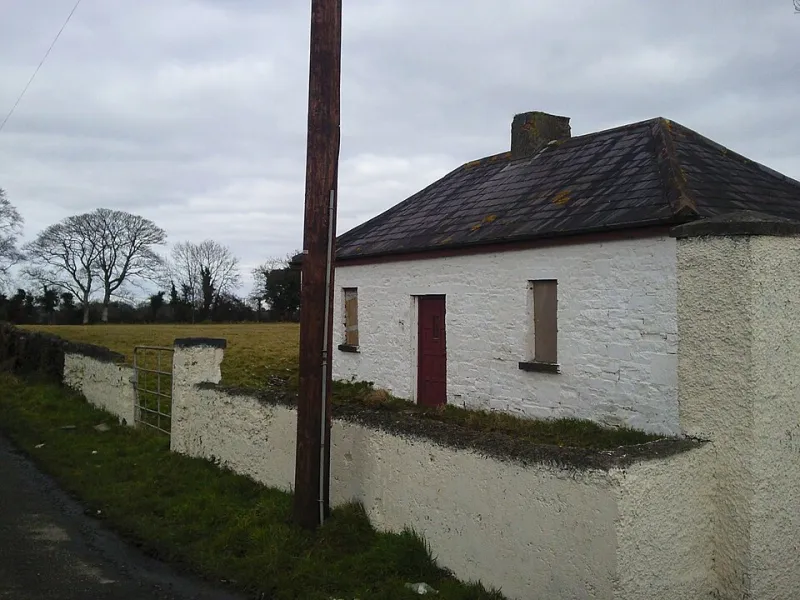
Photo: C O'Flanagan, CC BY-SA 2.0, via Wikimedia Commons
There is a particular kind of November optimism that takes hold when you book a rural cottage. You picture a wood burner, a stew, a bottle of something red and the wind doing its dramatic thing outside. What you do not picture is standing in a dark hallway at 7pm with a dying phone, wondering whether the host's idea of an emergency kit is a scented candle and a hopeful text message.
A power cut is not a far-fetched rural fantasy. It is a normal part of country life. Most outages are short, but winter storms can stretch them, and rural lanes are often at the back of the queue when repairs are handed out. The difference between a memorable weekend and a miserable one is usually not the storm itself. It is whether the cottage has a plan, and whether the host is willing to tell you what it is before you pay.
The difference between a power cut and a crisis
A short outage with a working torch and a warm stove is an inconvenience. A long outage with no heat, no light, no phone signal and no idea where the fuse box lives is a different thing entirely. It is also the sort of thing that a listing photo of a fluffy throw cannot warn you about.
This is not about demanding a five-star bunker in the Yorkshire Dales. It is about asking a few practical questions that separate a host who has thought about winter from one who has only thought about the cushion arrangement.
Start with the first five minutes
The best opening question is not 'do you get power cuts?' Most hosts will say no, even if the village has a regular habit of flickering every time the wind picks up. Ask instead: 'If the power goes out during our stay, what should we do in the first five minutes?'
A good answer is specific. There is a head torch in the hall drawer. There is a lantern on the dresser. The wood burner is the main backup heat, logs are in the dry store, and the water is gravity-fed so the taps still work. There is a printed sheet by the kettle with the network operator's number and the host's mobile. That is a plan.
A vague answer is also information. 'It has never happened' is not a plan. 'There are some candles somewhere' is not a plan either, unless you fancy spending the evening doing fire safety drills in the dark.
Heat that does not lean on the grid
Ask how the cottage is heated, then ask what happens to that system when the electricity stops. An air source heat pump needs power. An oil boiler needs power to run the pump and controls. A gas boiler needs electricity too. A wood burner is brilliant, but only if there is dry fuel, a way to light it, and a room that does not become a sauna while the rest of the cottage turns into a fridge.
Useful follow-ups: Is there a generator or battery backup? Is it automatic or does someone need to start it? Are there hot water bottles, extra blankets or a thermos? If the answer is 'the wood burner keeps the sitting room warm', ask whether the bedrooms stay usable in a cold snap. Cosy is not the same as warm.
Light, phones and the small stuff
Torches and head torches matter more than candles. Candles are atmospheric until someone knocks one over. Ask where the working torches are kept and whether the batteries are checked between guests. Ask about phone signal too. Rural signal is patchy at the best of times, and a power cut can take out the Wi-Fi and any Wi-Fi calling that was propping up the mobile connection.
A power bank is a small thing that makes a big difference. So is a landline, if the cottage has one. If the water supply relies on an electric pump, ask what happens to taps, flushing and washing. If the fridge is going to be off for hours, ask what the host recommends for food. These are not glamorous questions, but they are the ones that stop a weekend from becoming a test of endurance.
The fuse box and the access track
Find out where the consumer unit is before you need it. You do not have to become an electrician, and you should not start poking around if you are not confident. But knowing whether it is in the utility room, the hall cupboard or the outbuilding saves a lot of blind fumbling. Ask whether the host wants you to reset a tripped switch or call them first.
Access matters too. If a storm brings down a tree across the lane, who clears it? Does the host have a contractor on call? Is there another way in? If snow is forecast, will the track be gritted or ploughed, and where does the car actually go? A cottage that is charming in June can feel very different when the last half-mile is a fallen branch and a muddy slope.
A short pre-booking checklist
Before you pay, ask these in one polite email:
- What happens in the first five minutes of a power cut, and where is the written plan?
- Where are the torches, lanterns and spare batteries?
- What is the backup heat, and how many rooms does it actually warm?
- Is there a generator, battery backup or hot water bottles?
- Does the water supply depend on electricity?
- What is the mobile signal like, and is there a landline?
- Where is the fuse box, and do you want us to reset anything?
- Who clears the access lane if a tree comes down?
What a good answer sounds like
A strong host will not be offended. They will be relieved you asked. They will tell you where the head torch lives, how the stove works, whether the lane floods, and what the network operator's emergency number is. They might even tell you that the village pub stays open and has a generator, which is genuinely useful information.
A weak answer is not necessarily a red flag, but it is a reason to think carefully. If the host cannot describe a basic blackout routine, you are booking a pretty cottage with no plan. That may still be fine in July. In a stormy November, it is a gamble.
At NTS Holidays, we are all for rural quiet and a bit of weather. But cosy should mean more than cushions. Ask about the dark before you book, and you are much more likely to enjoy the sort of weekend where the lights go out and nobody minds.