Cable-Ready Cottages: How to Read the EV Fine Print on a Rural Booking
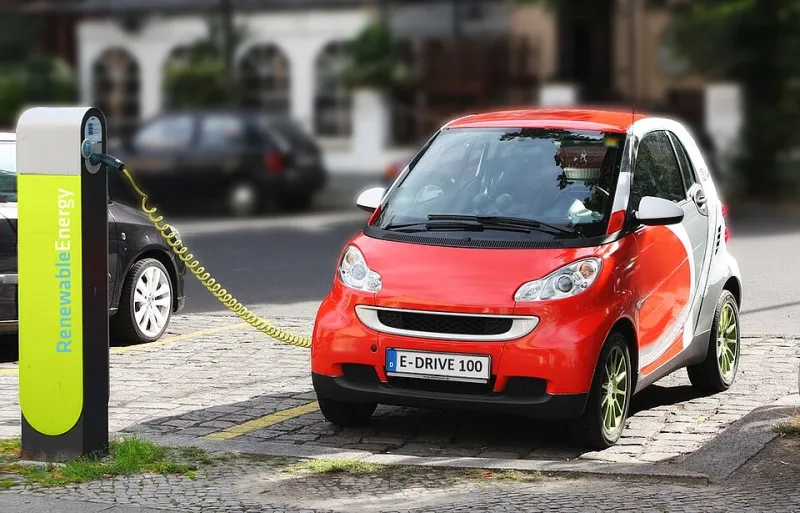
Photo: original: Michael Movchinedited by Felix Müller, CC BY-SA 3.0, via Wikimedia Commons
Rural cottage breaks and electric cars ought to be a natural pairing. You leave the motorway, the lanes narrow, the phone signal wobbles, and the whole point is to slow down. But the phrase 'EV charging available' is doing a lot of work on some listings. In 2026, more cottages carry it than ever, and not all of them mean the same thing. This is not about turning your weekend into a charging safari. It is about knowing what you have actually booked before you pay.
Read the charger description like a booking clause
Start with the hardware. A dedicated wallbox is usually a 7kW unit on its own circuit, and it is the closest thing to a normal home charge. A three-pin domestic socket is the slow, hopeful option. An industrial commando socket sits somewhere in between and will need the right lead. If the listing says untethered, it means there is no cable attached to the unit, so you bring your own Type 2. Tethered means the cable is there. Neither is better or worse, but turning up with the wrong setup is a dull way to start a break.
Then ask where the point actually is. At the parking space is ideal. Across a farmyard is workable if you have a long enough cable and the weather is kind. Up a gravel track from the cottage is a detail you want to know before arrival, not after. If the host mentions a shared point, ask how sharing works. Is it reserved for your cottage, or first come, first served? Is it on an app, a timer, or an honesty box? A quick written answer now saves a lot of peering at fuses in the dark later.
The farmyard point is not always yours
Shared chargers are common on rural sites, and they can work perfectly well. But they need a little social planning. Ask whether the owner uses the point, whether other guests have access, and what happens if two electric cars arrive on the same Friday. Some hosts schedule slots. Some use an app to unlock the charge. Some simply ask guests to coordinate. None of that is unreasonable, but you want to know which version you are walking into.
If you need a full battery by morning, a shared 7kW point may still do the job. It may not. Ask for the instructions before you arrive, and keep a backup rapid in mind. A cottage charger is a convenience, not a guarantee. The best hosts are clear about that, and the best guests plan around it.
Three-pin top-ups: useful, not a plan
A three-pin socket can add roughly eight to ten miles of range per hour in mild weather, and less when it is cold. That is fine for topping up after a day out. It is not a rescue plan for a low battery. Ask whether the socket is dedicated, RCD protected and weatherproof, and whether the host is happy for you to use it. Some owners will say yes but ask you not to run an extension lead across the yard. That is sensible. Treat a three-pin top-up as a bonus, not the backbone of your trip.
Winter range maths for lanes and hills
Cold weather, heaters, lights, hills and the occasional detour all take a bite. For a rural cottage break between November and March, use a conservative estimate of 70 to 75 per cent of your summer range. If your car manages 250 miles in July, plan around 175 to 190 miles in January. That sounds cautious, and it is meant to. Rural rapid chargers can be twenty or thirty miles apart, and the one you were counting on may be busy or out of service.
Arrive with a buffer. Thirty to forty per cent is comfortable. Five per cent is not. Check your route on a charging app before you leave, but do not treat the app as gospel. Signal in the lanes can be patchy, so screenshot the key stops or save them offline. If the cottage charger is your only plan, make sure the host has confirmed it in writing.
Questions to send before you book
A short message to the owner is worth more than a glossy photo of a plug. Ask:
- Is the point a dedicated 7kW wallbox, a three-pin socket or a commando socket?
- Is it tethered or untethered, and which connector does it use?
- Is it shared with other guests or the owner?
- How is payment handled, and is there a charge for use?
- Is it available for the whole stay, including arrival evening?
- Is the parking space next to the point?
- Are there any restrictions on charging times?
- Where is the nearest rapid charger, and is there a backup nearby?
- What should I do if the charger is faulty?
- Does the property have any supply limits I should know about?
If the answers are vague, assume the setup is basic. That is not a reason to cancel. It is a reason to plan differently.
Build one stop into arrival day
Do not leave charging until you reach the cottage. Pick one rapid charger near the last town on your route and build it into the journey. Twenty to thirty minutes is often enough to add a useful buffer, especially if you arrive with less than you planned. Get a coffee, stretch your legs, and let the car do its thing. Then drive the last stretch without watching the percentage drop like a hawk.
If the cottage point works when you arrive, great. If it does not, you are not stuck. That is the whole point of the stop. It also means you can enjoy the first evening instead of wondering whether the farmyard socket will manage a full charge by breakfast.
When to walk away
If the listing is vague, the host does not reply, or the only option is a three-pin socket and you need a full charge, think carefully. Rural electricity supplies can be limited, and a host who says the charger is for emergencies only is being honest. Believe them. If certainty matters, book a cottage with a dedicated point or one within easy reach of a reliable rapid. A rural escape should feel restful. The charging should be the least interesting part of the weekend.