Quiet Is Not the Same as Remote: Auditing a Cottage's Soundscape Before You Pay
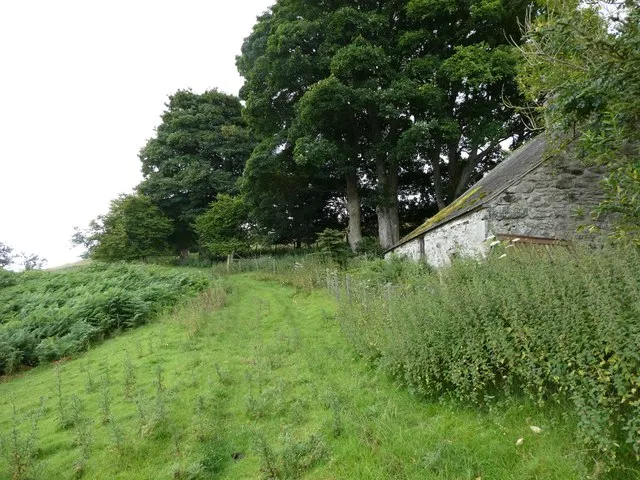
Photo: Jeremy Bolwell , CC BY-SA 2.0, via Wikimedia Commons
There's a particular kind of disappointment that only lands on the second morning of a cottage break. You've unpacked, you've lit the fire, you've congratulated yourself on finding somewhere properly remote — and then, at 6.15am, a quad bike starts up two fields away and a delivery van reverses down the lane with its warning beeper going.
Remote and quiet are two different things. Most of us book the first and assume the second comes free. It usually does, but not always, and the gap between the two is where a lot of otherwise-lovely holidays go slightly wrong.
So before you commit a deposit, it's worth doing what you'd do for any other important purchase: a bit of homework. Not a forensic investigation, just twenty minutes with a map, a review page and a notebook. Here's how we'd go about it.
First, Decide What Kind of Quiet You Want
Not everyone means the same thing by silence. Some people want to hear nothing but wind and birdsong and will happily trade a pub within walking distance for it. Others want hushed evenings but a bit of life nearby — a village, a shop, the low murmur of a beer garden in summer.
The trick is to be honest about which one you're after, because the two are often in direct conflict. A cottage on the edge of a lively village green will be charming and convenient, and it will also have a mower going at 8am on a Saturday and children on the climbing frame until dusk. That's not a fault. It's just information you'd rather have before you arrive.
Where the Noise Actually Comes From
When people picture rural noise, they usually think of tractors. In practice, the intrusions are more varied — and often more predictable than you'd expect.
- Roads. A B-road can be busier than it looks, particularly if it's a commuter cut-through or a summer tourist route. Lorry traffic on an unclassified lane is rare, but it happens near quarries and distribution depots.
- Farms. Livestock, grain dryers, bird scarers, and the seasonal chaos of harvest all carry further than you'd think, especially in still air across open fields.
- Pubs and wedding venues. A village pub with a garden is a treasure. A village pub with a garden, a marquee and a late licence is a different proposition on a Saturday in July.
- Holiday parks. Static caravans and lodges are often tucked just out of sight of the nearest cottage, and their clubhouse, play area or evening entertainment can be a genuine factor in high season.
- Trains and planes. Heritage railways run at weekends. Some rural areas sit under flight paths for smaller regional airports, which is rarely mentioned in listings.
- Church bells, shooting estates, and military ranges. All seasonal, all real, and all worth a quick search of the local area before you book.
Start With the Satellite, Not the Brochure
Listing photos are taken from angles that flatter. Maps don't care about flattering.
Open the cottage's location on a satellite view and zoom out until you can see the surrounding mile or two. You're looking for the things a listing won't show you: the farmyard two fields over, the cluster of static caravans, the main road curving past the bottom of the garden. Switch to a standard road map and check the classification of the nearest route — an A-road is a different animal from a lane, no matter how the listing describes it.
Street View is surprisingly useful too. Drop the little yellow figure onto the lane outside and take a look. Is it wide enough for two cars? Is there a national speed limit sign? Is there a depot or a yard just up the road? You'd be amazed what a five-second drag along a lane will tell you.
If you want to go a step further, the Ordnance Survey's free mapping shows contours, woodland, and — crucially — the difference between a footpath and a working track. A public footpath through a farmyard is fine. A working track through a farmyard is where you'll meet the quad bike.
Read the Reviews Sideways
Most people read reviews for the highlights. For a quiet audit, you want the opposite. Search the review page for words like noise, road, pub, tractor, early, church, building work and dogs. Even a single mention can be useful context.
Pay particular attention to three-star reviews. Five-star reviews are usually written by people who loved the place and want to say so; one-star reviews are often about a specific grievance that may or may not apply to you. Three-star is where the balanced, specific detail tends to live — the reviewer who liked the cottage but mentions the road noise in the mornings, or the farm machinery that started at seven.
Also look at when people stayed. A review from February won't tell you much about the beer garden in August, and vice versa.
Learn to Read Between the Listing Lines
Some phrases deserve a second look. "Easy access to the main road" usually means you can hear it. "Close to local amenities" is lovely, but it does mean you're in the village rather than out of it. "Lively village" is a selling point for some and a warning for others.
None of these are red flags in themselves. They're just honest signals that the cottage is part of a working, living place rather than a sealed bubble. The question is whether that's what you want.
Make the Phone Call
Owners and agents know their properties better than any listing can convey, and most are happy to answer a direct question. A short, friendly call works better than an email, and it's worth asking:
- What can you hear from the garden on a typical evening?
- Is there any farm or building work nearby, and does it run to a season?
- How busy does the lane get in summer?
- Is there a pub or venue within earshot, and does it have late licences?
- Are there any events in the village we should know about during our dates?
A good owner will answer without flinching. A hesitant one has told you something too.
A Short Checklist to Take to the Booking Page
- Satellite view checked at a one-mile radius
- Nearest road classified, not just located
- Review pages searched for noise-related words
- Timing of your stay matched against local events, harvest, and school holidays
- One direct question asked about the immediate surroundings
- Realistic expectations set for the kind of quiet you actually want
None of this takes long, and none of it is about finding fault. It's about knowing what you're buying. A cottage with a bit of life around it can be a wonderful place to stay — provided you booked it for that reason, and not in spite of it.
Get the quiet right and everything else about a rural break tends to fall into place. Get it wrong and you'll spend the week noticing.