Leave the Keys Behind: Eight Rural Cottage Bases With a Station in Reach for 2026
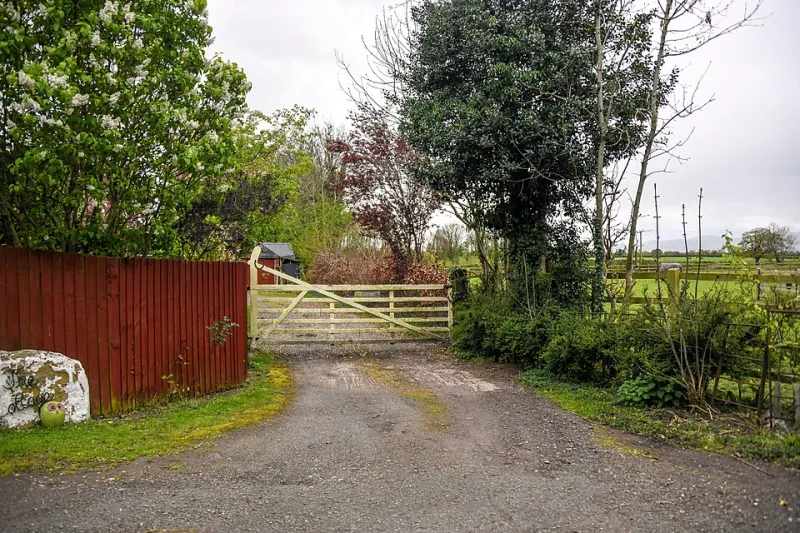
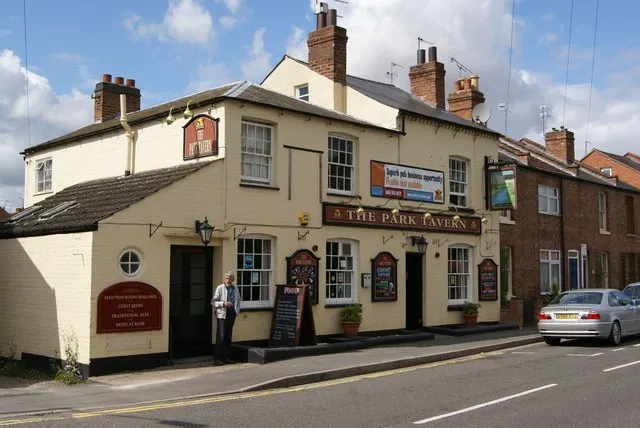
Photo: Lewis Clarke , CC BY-SA 2.0, via Wikimedia Commons
Leave the keys behind and the holiday starts earlier. No Friday motorway crawl, no debate about who is driving, no hunting for a parking space the size of a postage stamp. A car-free cottage break can be genuinely restful — but only if you choose the right base. The romantic version involves a station, a lane and a cottage with a log pile. The realistic version involves checking bus times, asking the owner three sensible questions and packing a bag you can actually carry.
Start with the station, not the sofa
It is easy to fall for a cottage photo and then discover the nearest station is a taxi ride, a bus connection and a 20-minute walk away. That can still work, but it changes the break. Start with the railway line, then look at the map. A mile from the station is usually fine with a rucksack; two miles with a wheelie case on a hedged lane is not. Check how often trains run, whether the last service is early on a Sunday and what the station itself offers — waiting room, taxi rank, pub, shop.
Ask the owner for the actual walking route, not just the distance. Is there a pavement? Is the lane lit? Does the footpath turn into a stream in November? A good owner will send directions with landmarks: the church, the red phone box, the gate after the barn.
Eight bases that tend to work
- Windermere, Cumbria. A proper station in town, with shops, cafes, boats and buses onward. It is busier than a hidden hamlet, but it makes a car-free week easy.
- Edale, Derbyshire. A station right in the village, a pub, and footpaths straight out. The shop situation is limited, so plan food.
- Settle, North Yorkshire. Market town, station, walks and buses into the Dales. Good for a mixed week of trails and tea rooms.
- Betws-y-Coed, Snowdonia. Station, village amenities and bus links. A sensible base if you want waterfalls and slate without driving.
- Moreton-in-Marsh, Gloucestershire. Cotswold town with a station and buses to smaller villages. Use it as a hub, not a secret.
- Alnmouth, Northumberland. Station near the coast, a village, a beach and a pub. Check the walk from the station with luggage.
- St Ives, Cornwall. Branch-line arrival, beaches and town facilities. Out of season it is calmer; in summer, book early and expect company.
- Saxmundham, Suffolk. Station with bus links to Aldeburgh and the coast. It is a link-in base rather than a doorstep-to-beach one.
These are not hidden gems; they are practical places with a station, a shop and a fighting chance of a pint. That is the point.
The last mile: buses, taxis and timetable traps
Rural buses are brilliant when they turn up and useless when they do not. Check the operator's website and Traveline before you book, not on the morning you need one. Look at Sunday and bank holiday services, school-term variations and the last bus back from the pub. If a taxi is part of the plan, book it in advance and save the number. Do not assume a village rank exists.
Arrive in daylight if you can. It makes the walk, the key safe and the first shop run much less dramatic. If you are arriving late, ask the owner whether a local taxi will do a short run and whether the key safe is lit. A small torch in your bag is not overpacking; it is basic rural insurance.
Packing for a platform-to-path break
The best car-free luggage is soft, light and carried on your back. Wheeled cases are fine on station concourses and hopeless on gravel, grass and uneven lanes. Pack layers, waterproofs, sturdy shoes, a refillable bottle, a portable charger and printed directions. A tote for groceries is useful; so is a dry bag for anything that must stay dry.
If you are self-catering, sort the first night's food before you travel. Order a supermarket delivery to the cottage, or pick up supplies in the station town. Nobody wants to arrive at 6pm, hungry, to find the village shop shut and the nearest chip shop four miles away.
Walks from the keys and the honesty test
'Walks from the door' is one of the most elastic phrases in holiday lettings. It can mean a footpath through a wildflower meadow or a trudge along a busy B-road. Ask for the name of the path, the nearest OS map and whether the route is waymarked. Check stiles, livestock and seasonal closures if you are taking a dog or travelling with children.
The honest test is simple: can you picture a normal day without the car? A morning walk, a pub lunch, an afternoon read, a short bus ride or a taxi to a market town. If the answer is yes, the base works. If every plan needs a lift, book somewhere else.
Book with confidence
Tell the owner you are coming by train. Ask about the nearest station, the best taxi, the bus stop, the shop, the pub and the path conditions. A clear, quick answer is a good sign. Then book the train before the cottage if the dates are fixed, and keep the journey simple. The aim is not to prove you can manage without a car; it is to have a break where the car is not the main character.