Rainy-Day Ready: How to Spot a Cottage That Cheers You Up When the Weather Doesn't
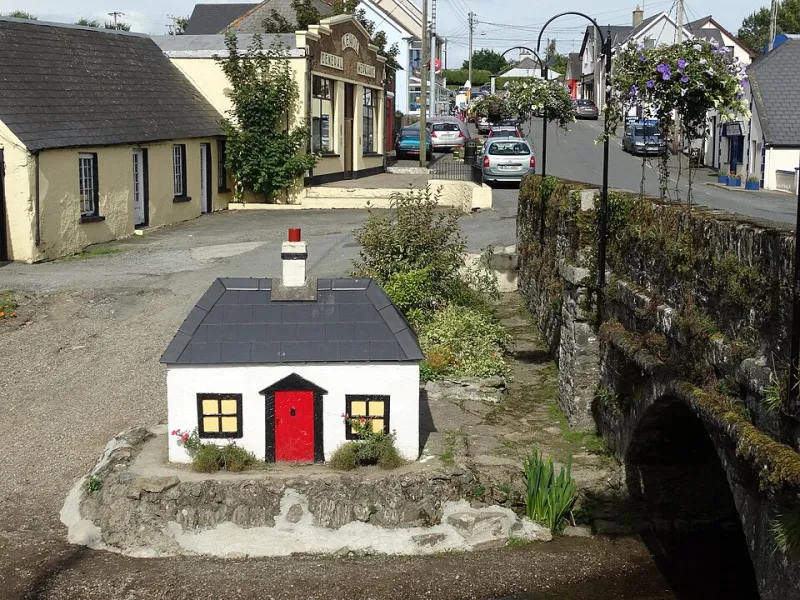
Photo: Hywel Williams , CC BY-SA 2.0, via Wikimedia Commons
British weather is not a plot twist; it is the default setting. A rainy week can still be a treat if the cottage has the right kit: somewhere to dry coats, a fire that actually works, a covered corner for a cup of tea and a short list of indoor escapes. The difference between a soggy washout and a cosy break is usually in the details, not the forecast.
Read the listing like a sceptic
Holiday listings are written to sell the best version of a place. That is fair, but it means 'wood-burning stove' can mean a real fire with logs, or an electric stove with a glow. 'Covered outdoor area' can be a veranda, or a porch just big enough for two boots. 'Games room' can be table football and a dartboard, or a cupboard of jigsaws. None of those is a disaster, but you want to know which one you are booking.
Look at the photos properly. Count the coat hooks. Find the drying rack. Check whether the fireplace is in the living room or just a photo of a fireplace. Read recent reviews for mentions of damp, cold, noise or a tricky lane. If the listing says 'pub within walking distance', look at the road on a map. A 15-minute walk along an unlit lane is different from a pavement stroll.
Drying space is the quiet hero
Wet-weather cottages are won or lost in the utility room. You need somewhere to hang four waterproofs, park muddy boots and dry a towel without turning the living room into a laundry. Look for a porch, boot room, utility, heated airer, dehumidifier or at least a good radiator and a clothes horse. Ask the owner directly: 'If we come back soaked after a walk, where do we put everything?' The answer tells you a lot.
A small cottage can still work if it has a sensible drying routine. A large one can fail if the only entrance opens straight into a cream carpet.
Fire, but make it real
A real fire is a mood. It is also a skill, a mess and a supply chain. Check whether the stove is wood-burning or electric, whether logs and kindling are included, and whether there are instructions. A basket of damp logs and no firelighters is not hygge; it is a chore. If you are booking in winter, ask whether the chimney has been swept and whether the fire is the main heat source or just a bonus. Good owners will tell you.
Covered outside space earns its keep
A veranda, loggia, barn overhang or BBQ shelter can rescue a drizzly afternoon. It gives you somewhere to sit with a mug of tea while the rain drums on the roof, and somewhere to dry the dog. Check the photos for actual seating and lighting, not just a roof. A covered area with two damp plastic chairs is not the same as a proper porch with a bench and a hook for wet coats.
Games, books and the art of staying in
A rainy day needs a Plan B that does not involve scrolling. Board games, puzzles, a decent bookshelf, a smart TV and reliable WiFi all help. But do not rely on a single bar of signal. Ask whether the broadband is fit for streaming, and whether there is a DVD player or a box of films. If you are travelling with children, check the games are complete and age-appropriate; a missing Monopoly token can cause more drama than the weather.
Nearby indoor diversions
The best rainy-week bases have something to do within a short bus or taxi ride. Think museums, castles, steam railways, market towns, swimming pools, cinemas and pubs with fires. Check opening days out of season; a museum that closes on Mondays can ruin a Monday plan. Build one indoor anchor into each day, then leave room for a dry spell and a quick walk.
Regions where rain still feels like a break
- The South Lakes. Kendal and Bowness have museums, cafes, boats and indoor markets. You can walk in the drizzle and then dry out properly.
- The Peak District. Bakewell and Buxton offer bookshops, pools, caverns and tea rooms. The weather can turn, but the towns are not just car parks.
- North Yorkshire. York, Harrogate and the North Yorkshire Moors Railway give you rainy-day options without abandoning the countryside.
- Snowdonia. Betws-y-Coed and Llanberis have slate museums, steam trains, cafes and a proper sense of drama when the clouds come down.
- Dorset. Wareham, Lyme Regis and the Tank Museum give you a mix of coast, history and shelter. A wet week here is still a proper break.
The pre-booking questions
Ask the owner about drying space, firewood, covered outside seating, games, broadband and the nearest shop and pub. Ask what the lane is like in bad weather. Ask whether there is a torch, a boot tray and a decent kettle. These are not fussy questions; they are the difference between a cottage that works and a cottage you endure. A good owner will answer without making you feel like a weather forecaster.
Book for the break, not the forecast
You cannot book good weather in the UK. You can book a cottage that makes bad weather feel like part of the plan. Prioritise drying space, a real fire, a covered corner and a short list of indoor escapes. Then pack waterproofs, slippers and a book. The rain may still come, but it will not be the headline.