Boots On Before You Book: Reading a Cottage's First Footpath Like a Local
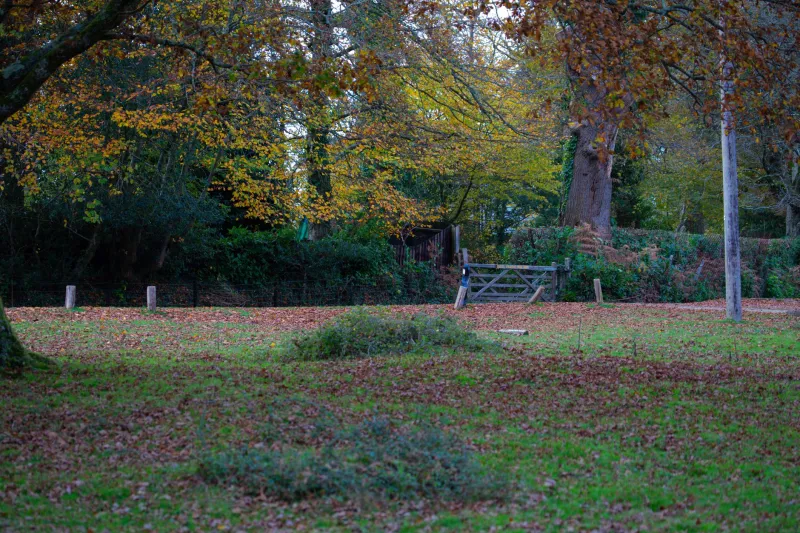
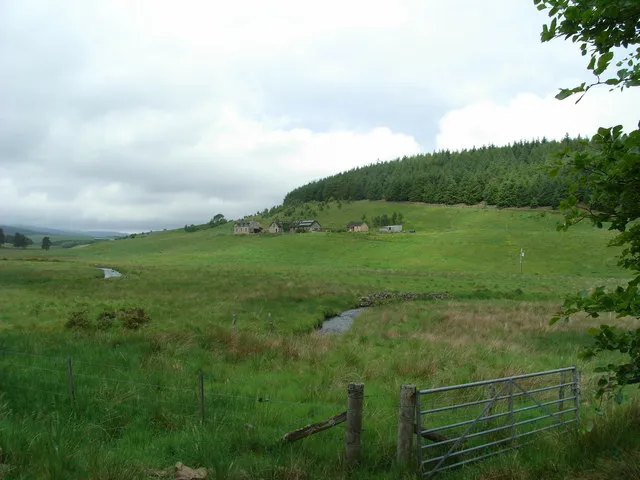
A cottage can look flawless in the listing and still fail the first test that matters: the walk you take twenty minutes after unlocking the door. You are not looking for an epic hike. You are checking whether the immediate footpath network is a pleasure or a negotiation - with gates, stiles, traffic, mud and somebody else's livestock. Before you book, it is worth auditing that first short walk. Here is a practical way to do it for a 2026 cottage shortlist.
Start With the Doorstep, Not the Destination
Twenty minutes on foot is roughly a mile at an easy pace, less if you stop to read every gate. The key distance is not the length of the route on the map but the gap between the cottage door and the first public path. A path that begins 50 metres up a quiet lane is a different proposition from one that requires fifteen minutes along a hedge-less B-road. Use the measure tool on OS Maps or a similar app and draw a 200-metre circle around the postcode. If the nearest right of way sits outside that circle, find out exactly how you get to it.
Read the Map Layers Like a Walker
Ordnance Survey 1:25,000 mapping is the useful layer here, not the simplified road map. Turn on the rights of way overlay and look for the difference between footpath, bridleway, restricted byway and permissive path. In England and Wales, the council's definitive map is the legal record; in Scotland, look for core paths and remember that access rights are broader. The symbols matter too. A cluster of stiles on a short loop tells you something about pace and practicality. A path that runs straight across a field may be fine in August and a ploughed mess in February.
Satellite view is your reality check. Can you see a worn line through the grass? Does the path run through a farmyard, along a garden boundary or between two fences? Street View is patchy in rural areas, but where it exists it will show you the lane, the verges and whether the walk to the first gate involves a blind bend.
The Council Record Is Boring and Brilliant
Search for the relevant council's public rights of way map or definitive map. It sounds like homework, and it is, but it is quick homework. You want the path number, its recorded status and any notes about furniture such as stiles and gates. Some councils publish temporary closure orders and diversion notices. A path can be legally open and still be closed in practice for a bridge repair or a fallen tree. The record will not tell you whether the mud is ankle-deep, but it will tell you whether the route is a proper public path or a permissive line that the landowner can close.
If the listing mentions access land, check whether that means open access or simply a path across a field. They are not the same thing. In England and Wales, open access land comes with its own rules and exclusions. In Scotland, the outdoor access code gives you more freedom, but it still asks you to behave sensibly around livestock and crops.
What Listing Photos Can and Cannot Tell You
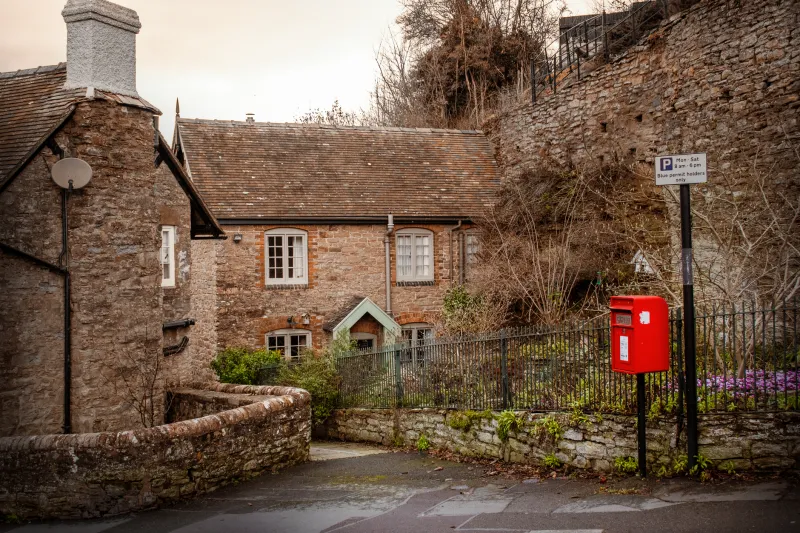
Cottage photos are styled to show interiors, not footpath furniture. Still, look at the edges of the frame. A boot rack, a dog towel, a hose and a gate at the end of the garden are small signals that the owner expects muddy walking. A photo of a lane outside the window can tell you whether there is a verge or a wall. What photos rarely show is the first 100 metres in wet weather. Do not read a single sunny exterior shot as proof of an all-weather path.
Ask the Owner Four Direct Questions
Owners know things that maps do not. Keep the questions specific and easy to answer:
- Where is the nearest public footpath from the door, and how long does it take to reach it?
- What is the surface like after rain - boots, wellies or trainers?
- Are there stiles, gates or livestock on the first twenty-minute loop?
- Is any part of the walk along a road without a pavement, and roughly how long is that stretch?
A good owner will answer without defensiveness. A vague answer is useful information too. If the reply is that everyone just drives to the good walks, believe them.
Score the First Twenty Minutes
For a shortlist, give each cottage a simple score out of ten. Door-to-path access: two points if you can reach a public path in under five minutes, one if it takes five to ten, zero if you must drive. Route options: two points for a choice of directions or loops, one for a single out-and-back. Surface: two for well-drained or made-up path, one for likely seasonal mud, zero for a bog. Obstacles: one point if stiles and gates are manageable, zero if the route is a climbing frame. Road exposure: one point if the road walking is minimal and visible, zero if it is not. Twilight: one point if the lane or path is usable without a torch for an after-dinner stroll, zero if not. Seasonal reliability: one point if the owner can vouch for the route in winter, zero if it is a fair-weather line.
That gives you a ranking that reflects the walk you will actually take on arrival, not the dramatic hike you might drive to later. It also surfaces the cottages where a short walk is genuinely relaxing rather than a logistics exercise.
When a Short Walk Is Still a Good Walk
Not every cottage needs a twenty-minute loop into open country. A ten-minute stroll to a village bench, a churchyard or a pub can be the better result. The test is whether the first walk makes you feel settled or stranded. A muddy path with a boot tray and a warm kitchen is not a problem. A path that looks lovely on the map but involves a trunk road, three stiles and a field of young bulls is a different kind of holiday.
Before you pay, put your boots on mentally and walk out of the door. If that first twenty minutes feels easy, the rest of the stay usually follows.