The First Afternoon Is Not a Write-Off: A Cottage Arrival Plan That Actually Works
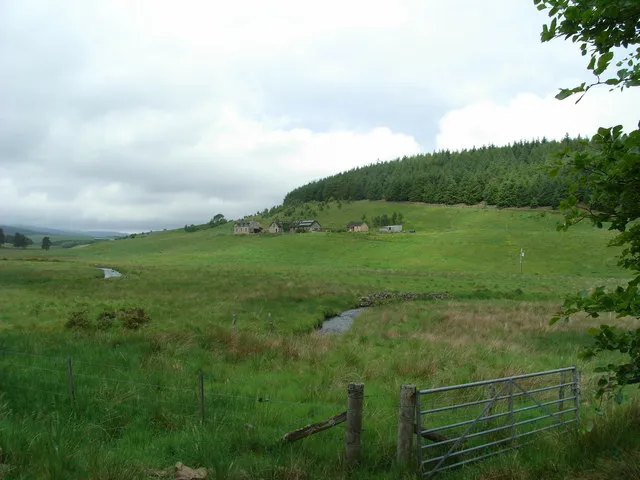
Photo: Keith Grinsted, CC BY-SA 2.0, via Wikimedia Commons
There is a particular kind of cottage holiday that begins with good intentions and ends, somehow, at 8pm on day one with a half-unpacked bag, a car full of shopping, and the feeling that you have spent an afternoon doing admin in a nicer postcode. The drive was fine. The cottage is lovely. But the first day has gone, and nobody is quite sure where.
The problem is rarely the cottage. It is the plan, or rather the lack of one. Most of us treat arrival day as a logistical buffer: get there, find a shop, buy everything for the week, unpack, cook something easy, collapse. Sensible on paper. In practice, it turns the one day when you are most excited and least settled into a chores shift.
There is a better way, and it does not require military precision. It just requires deciding, before you leave, that the first afternoon is part of the holiday rather than the run-up to it.
The first afternoon sets the tone
A cottage break is short. Even a week is really five full days once you account for arrival and departure. Losing half of day one to a supermarket run is not a disaster, but it is a choice, and it is usually a choice made by default.
Claim that afternoon and something subtle happens. You arrive, you put the bags down, you go for a short walk or a pint or a browse round a farm shop, and you come back to a cottage that already feels like yours. The unpacking is still there, but it no longer defines the day. By the time you cook dinner, you have already had a small holiday moment. The week has started.
Leave it to chance and the opposite happens. The cottage remains a building you are still moving into. The local area remains a map you have not tested. The first proper holiday feeling gets pushed to Tuesday morning.
Be honest about the arrival time
This starts before you book. Check the arrival window properly, not just the day. Some cottages offer a genuinely early check-in; many do not. A 4pm arrival is not a problem if you plan for it. It is a problem if you book it while quietly imagining a 1pm lunch in the garden.
Look at the check-in time, the departure time, and the drive. Then work backwards. If you are arriving at 5pm in November, a walk before dinner may be unrealistic. If you are arriving at 3pm in June, an hour on a footpath is entirely reasonable. The plan should fit the season and the light, not an idealised version of the trip.
It also helps to ask the owner or agency a direct question: is there any flexibility on arrival? Sometimes there is, sometimes there is not, and sometimes the cleaner simply needs the window. A polite query is fine. Assuming it is never worth asking.
Pack a first-night box
The single most useful thing you can do is remove dinner from the arrival equation. Not by booking a table, necessarily, though that works too. By packing a first-night box.
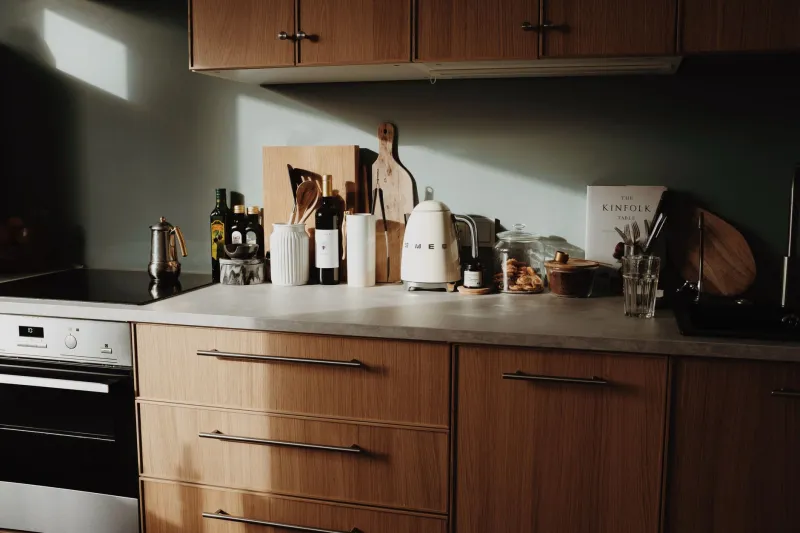
This is not a week's shop. It is a small, deliberate kit for the first evening: pasta or a ready-made stew, a jar of sauce, something for breakfast, milk, tea, coffee, a few biscuits, maybe a bottle of something cold. Enough that you can walk in, put the kettle on, and know that nobody has to drive to a retail park at 6pm because the nearest shop shuts at five.
Add the small practical things that are annoying to discover you have forgotten: a tea towel if the cottage does not provide one, dishwasher tablets, a decent knife if you are particular, bin bags. Check the listing first. Many cottages are well stocked; some are not. A first-night box is not about distrust. It is about buying yourself a calm first evening.
Pick one small local thing
This is the heart of the plan. Before you travel, choose one modest local thing to do on arrival day. Not a full day out. Not a major attraction with a timed ticket. Something within fifteen minutes of the cottage that takes an hour or less.
It might be a farm shop with a cafe, a short circular walk from the village, a pint in the local, a look round a church, or a wander down to the river. The point is not the activity. The point is that you leave the cottage, engage with where you are, and return with a small sense of place.
That one thing changes the shape of the week. You have already tested the lanes. You know where the shop is. You have seen the pub and decided whether to book. The next morning is not a cold start; it is a continuation.
A simple half-day template
Here is a workable shape for a Friday arrival, easily adjusted:
- Before you leave: pack the first-night box, check the arrival time, and choose one local thing within fifteen minutes of the cottage.
- On the way: stop at a farm shop or village store for fresh bits rather than doing a full supermarket sweep. Keep it small.
- On arrival: open the windows, put the kettle on, make the beds, and unpack only the essentials. Do not start a full reorganisation of the kitchen.
- Late afternoon: go and do the one small thing. A walk. A pint. A browse. Keep it short and low-stakes.
- Evening: cook the easy dinner, eat without a screen, and look at the map for tomorrow. That is it.
The full shop can happen on Saturday morning, when you know what you actually need and the day is not already half gone. Or it can happen never, if you shop little and often. Either is fine.
Why it changes the week
A cottage holiday is not a competition to see how much you can fit in. But it is short, and the first day is part of it. Treating arrival as a logistical event rather than a lost afternoon is a small shift with an outsized effect.
You do not need to be rigid about it. If the weather turns, if the journey takes longer than expected, if the children are tired and the dog is muddy, abandon the plan. The point is not the schedule. The point is the intention: to arrive properly, to make the first evening feel like part of the break, and to give the week a better beginning than a supermarket run and a slow unpack.
The best cottage holidays do not start when the bags are empty. They start when you decide the holiday has begun.