High Water, Low Risk: How to Book a Cottage Beside a Brook Without a Nasty Surprise in February
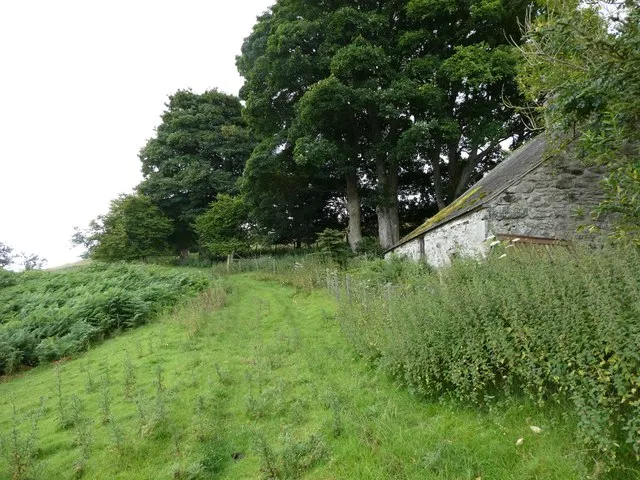
Photo: Cameraman, CC BY-SA 2.0, via Wikimedia Commons
There's a photo that turns up in a great many waterside cottage listings: a shallow brook running under a mossy stone bridge, light coming through the alders, perhaps a bench and a folded blanket on the bank. It's a lovely image. It's also almost always shot in June, and it almost never comes with the one piece of information you actually need — how far that water climbs when the ground is already full.
None of this is a reason to swerve cottages near water. A millpond at dusk, a river at the bottom of the orchard, a lake you can shove a kayak onto: these are among the best reasons to book a rural stay in Britain at all. But water is the single feature most likely to turn a break from charming into complicated, and the questions that protect you are rarely the ones the listing answers.
Start with the map, then walk the dog round the garden
Before you fall for the gallery, put the postcode into the Environment Agency's flood map for planning. In Wales it's Natural Resources Wales, in Scotland SEPA — same idea, different logo. What you're looking for is the extent of river and sea flooding at the address, not just in the parish.
Two caveats worth holding onto. First, those maps deal in fluvial and tidal risk, not the surface water that turns a lane into a brown stream after an hour of heavy rain. Second, a reassuring colour on the map tells you nothing about the ford, the culvert or the dip by the barn — the bits you have to drive through to reach the door.
Ask for dates, not adjectives
"Never flooded in living memory" is a phrase that means something different to a thirty-year-old owner and a seventy-year-old one. Push for specifics: has water entered the building, the garden or the access lane in the last decade, and in which year and month?
Owners who have been there a while will usually tell you straight, and the answer is more useful than any amount of reassurance. A cottage that took in two inches in a named storm four winters ago and has since had new floors, raised sockets and a pump fitted is arguably a better bet than one where nothing has been recorded simply because nobody was watching.
The lane is part of the property
Fords, low bridges, cattle grids and single-track lanes that double as drainage channels all deserve a mention in your enquiries. Ask, in plain terms, whether an ordinary hatchback clears the approach in wet weather, and whether there's anywhere to turn round if it doesn't.
Ask for a photo of the lane taken in winter. Ask what happens to bin collections, deliveries and the poor soul in the AA van. A cottage that's a five-minute walk from the road with a wheelbarrow for luggage is a delight in July and a genuine consideration in a wet November.
Where you'd actually sleep
This is the question that matters most and gets asked least. If the bedrooms are all on the ground floor and the river runs ten metres from the sitting-room window, book it knowingly rather than accidentally. Ask whether there's an upstairs room you could move into if the water rises, and how quickly that decision would have to be made.
While you're there, ask where the boiler, the consumer unit and any external stores sit. Cellars, basements and outbuildings near water are worth knowing about, if only so you don't put the dog's bed and your walking boots in the wettest corner of the property.
The paperwork nobody reads until it's raining
Check the deposit terms, the date the balance falls due, and — crucially — what the owner's own policy is if the property becomes uninhabitable because of flooding. Is it a refund, a credit note, or a moved date? Get it in writing, ideally by email, before you pay anything beyond the deposit.
Standard travel insurance frequently comes with conditions attached to flooding, so read the wording rather than assuming cover. And do skim the arrival notes for anything about what guests should do if water rises — a cottage with a written procedure is usually a cottage that has thought about it.
Read the photos like evidence
Look past the first three images. Are there high-water marks on the stonework? Is the garden furniture stacked in a shed? Are the electrical sockets set unusually high, or is there a pump box on the wall? Does the bank have a clear line where vegetation stops?
Ask the owner when the photos were taken. A listing that hasn't been re-shot since 2019 is telling you something, and a set refreshed last spring is a fair sign of an engaged owner. Recent, dated images of the same view in different months are gold.
Rain, seasons and the shape of the catchment
A spate river in the west can rise within an hour of heavy rain on the hills; a chalk stream in the south moves slowly and steadily, and a millpond mostly does what its weir tells it to. Met Office historic station data for the nearest town will give you a feel for monthly rainfall, and a quick look at the named storms of the last few winters will tell you which months have form.
If you're booking between October and March, ask what the water has done in the last two winters. If you're booking July, ask anyway — it costs nothing and it tells you a lot about the person answering.
The ten-minute question list
Before you pay the balance: flood history with dates; access lane condition in wet weather; which floor the bedrooms are on; the owner's cancellation policy for flooding; when the photos were taken; whether the brook is fenced; and whether the fishing rights come with the let or need a separate day ticket. Ten minutes of email, one much calmer arrival.