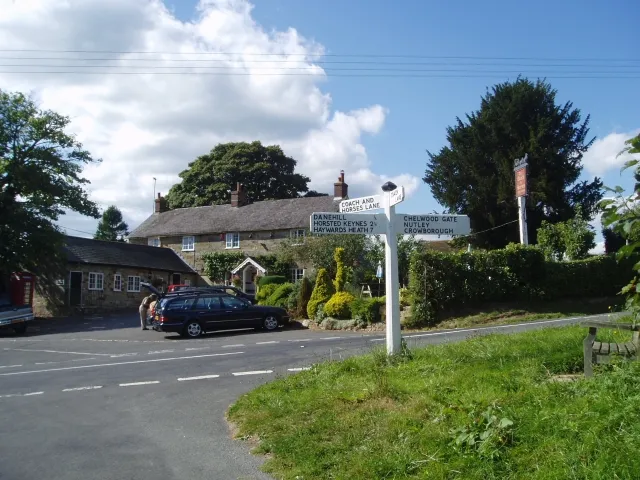
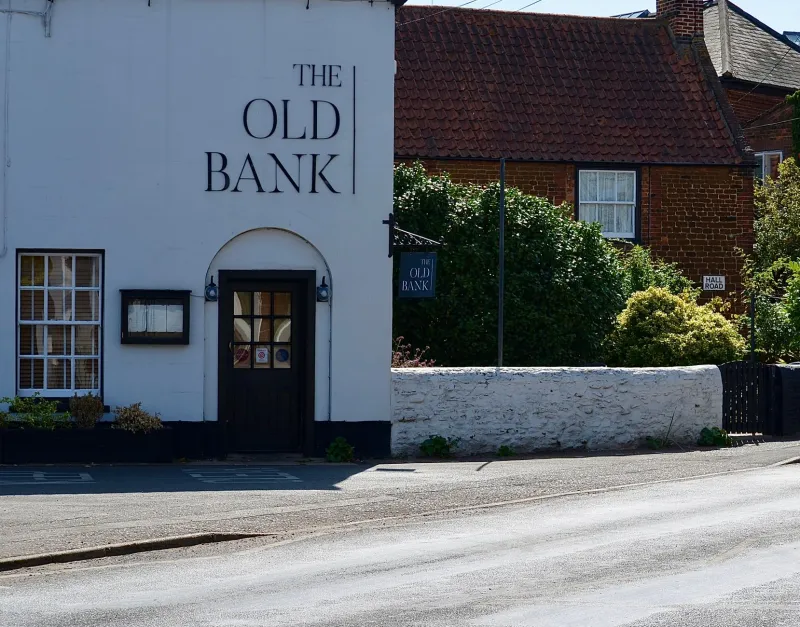
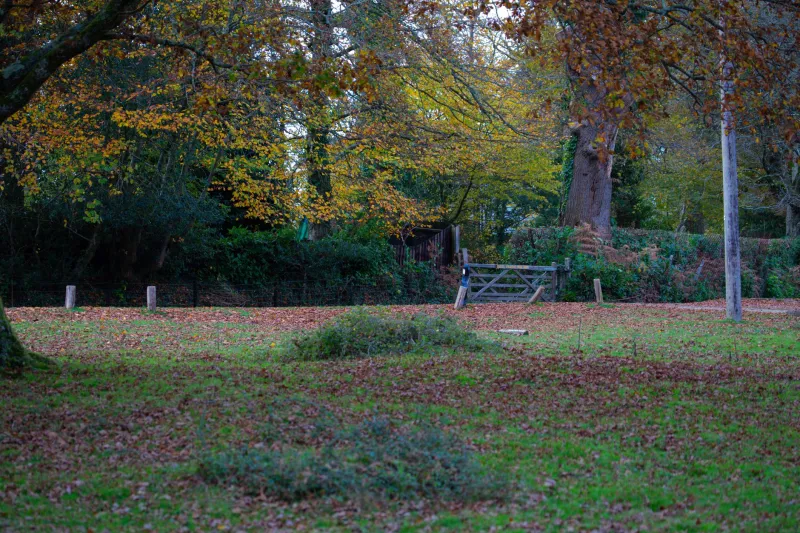
The Last Half-Mile: Reading a Cottage's Approach Lane Before You Book
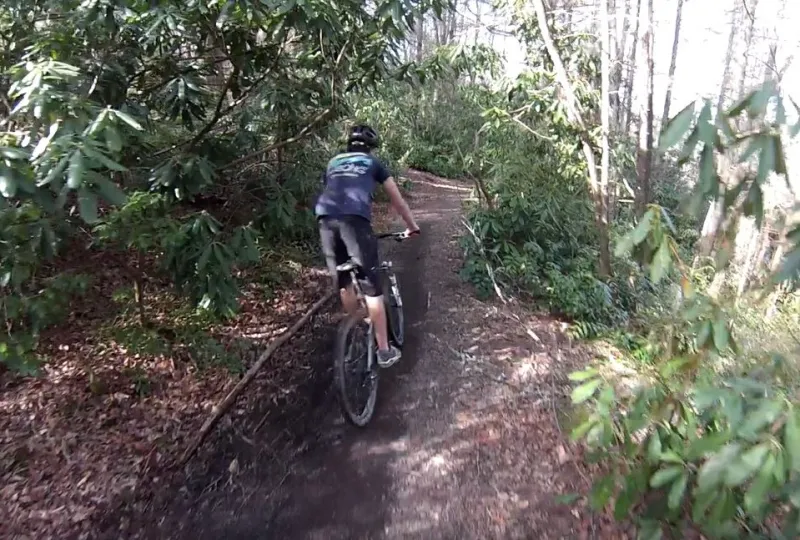
Photo: LithiumFlash, CC BY-SA 4.0, via Wikimedia Commons
Most cottage listings open with a woodburner, a roll-top bath and a view across a valley. Lovely. But before any of that matters, you have to actually get there — and the approach lane is the bit nobody photographs. It is also the bit that will shape your weekend more than the thread count ever will.
We are not suggesting you become obsessive about tarmac. But a few minutes spent studying the last half-mile can save you an hour of reversing in the dark, a scratched hire car, or a row about whose fault the satnav was. Here is what to look for.
Start With the Map, Not the Photos
Open the listing's location on a satellite view before you do anything else. Zoom right in. Is the lane a clean ribbon of grey, or does it look like two tyre tracks with a grass mohican down the middle? Does it connect directly to a B-road, or does it meander through three fields and a farmyard first?
Google Street View is patchy in rural Britain, but where it exists it is gold. Check the junction where the lane leaves the main road. Is there a give-way line, a blind bend, or a hedge that hasn't been cut since the last coronation? If the cottage sits at the end of a long single-track road with no marked passing places, that is not a dealbreaker — but it is a fact you want to know before arrival, not at 9pm in the rain.
A quick look at what3words or an Ordnance Survey map can also tell you whether the postcode lands on the cottage or on a neighbouring barn. It happens more often than you'd think.
Passing Places: The Social Contract of a Single-Track Lane
Single-track lanes with passing places are a normal part of rural life, and locals drive them with a fluency that can look alarming to a first-timer. The rule is simple: whoever is nearest a passing place uses it, and you wave thanks. The unspoken bit is that reversing 200 yards uphill is nobody's idea of a holiday.
If a listing mentions 'narrow lane' in the small print, take it seriously. Ask the owner how long the single-track section is and whether it has regular passing places. In parts of Devon, Cornwall and the Yorkshire Dales, a 'short drive' can mean a quarter of a mile of hedge-scraping followed by a blind crest. That is fine for a confident driver in a small car. Less fine in a long-wheelbase estate with a roof box and a tired toddler.
Who Else Is Using It?
A lane is never just yours. Farms use it for tractors, trailers and the occasional escaped heifer. Bin lorries and recycling vans come on specific days and will not reverse for you. Delivery drivers — including the supermarket shop you ordered for arrival day — will attempt it, sometimes with optimism and sometimes with a phone call asking where on earth you are.
If the cottage is on a working farm, ask whether there is a separate farm track and whether gate closures apply. If the lane is shared with a livery yard, expect horses at dawn. None of this is a problem; it is just the texture of rural life, and it is better to know it than to be surprised by it.
There is also the matter of the oil tanker, the septic tank lorry and the occasional hedge-cutting contractor. Owners usually know their lane's quirks. A quick message asking 'what's the lane like in a normal car?' often gets a very honest reply.
Gradients, Gritting and the Winter Question
If you are booking between November and March, ask directly whether the lane is on a gritting route. Most rural lanes are not. That does not mean they are impassable — many are fine with care — but it does mean a steep, shaded, north-facing approach can hold ice for days after the main road has cleared.
Check the gradient on a map contour view. If the cottage sits at the top of a 1-in-5 with a sharp bend, winter tyres and a cool head are useful. If the owner mentions a 'winter track' or an alternative lower entrance, note it. Some properties genuinely are best left for spring, and there is no shame in booking accordingly.
Turning Circles, Parking and the Van Test
Look for a photo of the parking area — not the view from it. Is there a marked turning circle, or will you be doing a twelve-point shuffle between a stone wall and a water butt? Is the parking on a slope, on gravel, or in a barn that fits one Fiesta and nothing else?
If you drive an electric car, ask about charging honestly. A three-pin outdoor socket is not a charge point, and a 25-metre cable across a muddy lane is a tripping hazard and a conversation starter with the neighbour.
One underrated test: imagine a delivery van. If a supermarket driver, a plumber or a friend in a normal hatchback cannot turn around without reversing into a hedge, you will spend your break worrying about it. That is not restful.
What the Lane Tells You About Privacy
A short, shared drive with three other cottages means you will meet your neighbours in their dressing gowns. A long private track with a gate at the bottom means you probably won't see anyone unless you want to. Neither is better — but one might be wrong for you.
Listen for what the lane carries: is it a shortcut between two villages, a rat-run at school drop-off, or a dead end that only serves the farm? A dead-end lane is usually the quietest. A through-lane can be surprisingly busy at 8am and 3.30pm.
The Questions Worth Asking
Before you pay, send the owner a short, friendly message. Ask how long the lane is, whether it is single-track, whether there are passing places, what it is like in winter, and whether a normal car manages it. Ask about turning space and where exactly the parking is. Ask if there is anywhere to leave a second car without blocking the lane.
A good owner will answer with specifics. A vague answer — 'it's fine, everyone manages' — is not necessarily a red flag, but it is a nudge to look more closely at the map.
The lane is not the glamorous part of a cottage break. But it is the part that decides whether you arrive relaxed or rattled, and whether the last half-mile feels like an adventure or an ordeal. Read it before you book, and the rest of the stay tends to look after itself.