Pinned to the Board: The Village Hall Noticeboard Test Every Cottage Booking Should Pass
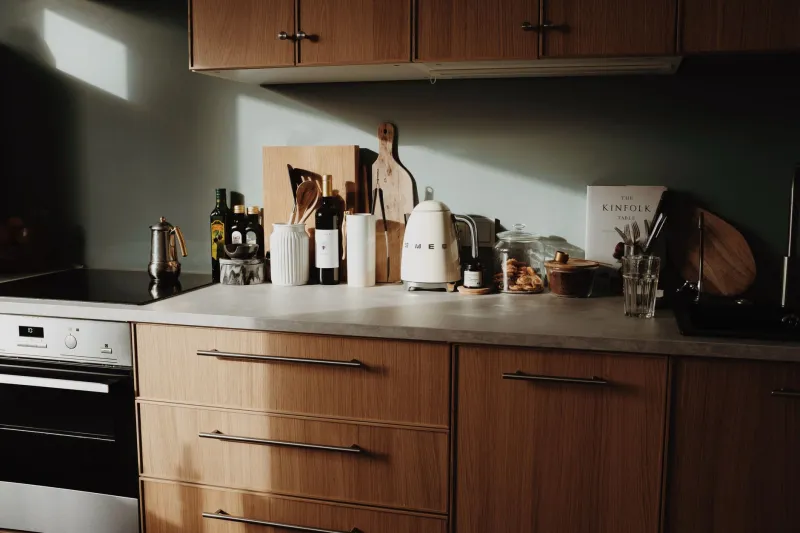
Booking a cottage is, by and large, a screen-based activity. You scroll the photos, squint at the floor plan, zoom in on the kitchen worktop and try to work out whether that grey shape in the corner is a dishwasher or a bin. All useful. All necessary. And all of it tells you about the building, not the place.
The place is where the noticeboard comes in.
A village hall corkboard, a parish newsletter dropped through letterboxes four times a year, the pew sheet from the church at the end of the lane — this is the paper trail of a community, and it's surprisingly revealing. Ten minutes of reading it can tell you whether your week will be full of cake stalls and quiz nights or whether you'll be relying entirely on your own company. Both are perfectly good holidays. The trick is knowing which one you've booked.
Why Paper Beats Photographs
Listing photos are chosen by someone with an interest in you clicking 'book now'. A noticeboard has no such agenda. It's just whatever somebody bothered to pin up: a pilates class, a lost cat, a reminder about the bins, a poster for the summer fete that's still up in November.
That artlessness is the point. You're not looking for anything as crude as a 'good village' verdict. You're looking for evidence of rhythm — the small, repeating stuff that makes a place feel alive when you arrive on a wet Tuesday with a bag of shopping and no plan.
What a Living Calendar Actually Looks Like
A village with a pulse usually has a few of the same things going on. A monthly coffee morning in the hall. A WI branch that still meets. Something on a Wednesday evening — badminton, choir, a yoga class with too many people in it. A pub quiz that hasn't quite died. A church that does a harvest supper. A hall hire calendar with actual bookings on it rather than a single line reading 'available'.
The unifying feature is recurrence. A one-off poster for a wedding reception tells you nothing. A line in the newsletter saying 'the hall is booked every Tuesday and Thursday evening' tells you rather a lot — including, occasionally, that you may be sharing your peaceful lane with forty cars and a sound system.
The Defibrillator-Only Village
Now and then you'll find a board with nothing on it but a laminated notice about the defibrillator and a laminated notice about the defibrillator. That's not automatically a red flag.
Sometimes it means a hamlet of forty people where the social centre of gravity has shifted to the next town, and the hall is used twice a year for a jumble sale. Sometimes it means the village is so small there's no hall at all, and the board is on the side of a bus shelter. And sometimes it just means nobody's updated it since the spring, because the person who used to do it moved to Devon.
But here's the honest bit: if you're booking precisely because you want silence, an empty calendar and a defibrillator is not a problem. It's the product. What you shouldn't do is book it imagining a bustling village green with a maypole, then spend the week wondering where everyone is.
Reading Between the Pins
Once you've got your eye in, a few specific things are worth scanning for.
Dates. An old poster for a summer show still up in February either means the board is neglected or the event is a fixture. Worth a second look either way.
Hall hire pages. Many village halls now publish a booking calendar online. Scan the week you're planning to stay. A wedding marquee, a 40th birthday or a weekly drum circle will all make themselves known in advance if you look.
Annual set-pieces. Agricultural shows, beer festivals, scarecrow trails, bonfire nights, steam rallies. Genuinely brilliant if you're there for them, genuinely trying if you'd planned a quiet week of suppers and early nights. Either way, you want to know before you book, not when the bunting goes up outside the bedroom window.
Practical notices. Footpath closures, roadworks, parking restrictions, dog-on-lead rules. Unglamorous, and exactly the sort of thing that shapes a week of walking.
Doing It From the Sofa
The research is easier than it sounds. Start with the parish council website — minutes and agendas are usually published, and they mention events almost by accident. Then try the village hall's own site or booking page. Add the local newsletter archive, if there is one, and the village's Facebook group, where you can sort posts by date and see whether anyone has said anything since last winter.
The pub's page is a good cross-check, as is any county-level what's-on listing. If all four sources agree the place is busy, it's busy. If all four are dormant, at least you know what you're getting.
The Quiet Case for Quiet
One last thing. It's easy to turn this into an audit and forget why you started. A village with a defibrillator, a church, a lane and no events whatsoever is not a failure. Plenty of people book a cottage for exactly that — a week of long walks, slow cooking and a book finished in front of a fire.
Just be deliberate about which holiday you're buying. The noticeboard is how you find out.
Five Minutes, Five Checks
- Does the village hall calendar show bookings during your dates?
- Is there a recurring event, or only old one-offs?
- Any annual festival, show or fair that week?
- Is the hall within earshot of the cottage?
- What does the parish newsletter say about parking, paths and dogs?
Add all that to your cottage shortlist and you'll arrive knowing the shape of the week ahead — which, frankly, is half the pleasure of the planning.