Skip the Friday Scramble: The Wednesday Cottage Arrival Worth Trying in 2026
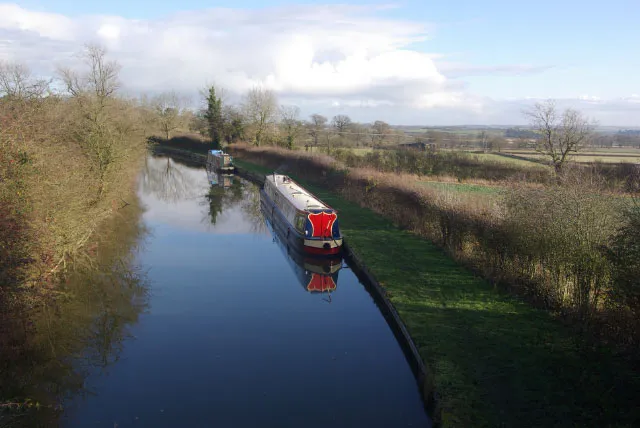
Photo: Stephen McKay, CC BY-SA 2.0, via Wikimedia Commons
Most cottage breaks are sold as a weekend. Friday night arrival, Saturday rush, Sunday dread. It is a familiar rhythm, and it is not especially restful. For 2026, the smarter pattern is Wednesday to Friday: three nights, two full days, and a return before the weekend crowds have even packed the car.
This is not a rule for every trip. If you have school pick-ups or a job that will not bend, a weekend may be your only option. But if you can shift two days, the midweek cottage break is often better value, quieter and easier to enjoy. Here is why, and how to plan one without turning it into a project.
The case against the Friday dash
Friday arrivals are expensive because everyone wants them. Owners know it, booking platforms know it, and the price graph shows it. A Friday-to-Sunday stay often carries a premium, and many cottages enforce a two- or three-night minimum anyway. By moving to Wednesday, you are not just avoiding traffic on the M5 or the A66; you are often stepping into a different price band.
Saturday is also the day everyone else is out. Trails get busy, car parks fill, pubs run out of the good table, and the village shop has a queue. On a Wednesday, the same place feels like it has been waiting for you. You get the owner's attention, the pub landlord has time to talk, and the walk you fancied is not a conga line.
What a Wednesday-to-Friday break actually looks like
The best version is not a mini weekend squeezed into midweek. It is slower. Arrive on Wednesday afternoon, not at 9pm. Drop the bags, walk to the nearest pub or shop, and get your bearings. Thursday is your full day: one proper walk, one lunch, one thing you actually want to see. Friday is a slow morning, a coffee, and a drive home before the weekend rush.
That shape matters. Three nights sounds short, but two full days is often more than a weekend break gives you, because Friday night is spent recovering from the week and Sunday is spent thinking about Monday. A Wednesday start gives you a clear day in the middle when nothing is looming.
What to check before you book
First, check the changeover day. Some cottages run Friday-to-Friday or Saturday-to-Saturday in peak season, so a Wednesday arrival may not be possible. Outside school holidays, many owners are flexible. Ask directly rather than relying on the calendar.
Second, look at the total price, not the nightly rate. Cleaning fees, service fees and minimum-stay rules can make a cheap-looking Wednesday night expensive. Compare the full cost for three nights against a two-night weekend. Sometimes the midweek stay is cheaper; sometimes it is not, and that is fine. You are also buying quiet.
Third, check what is open. Rural pubs often shut on Mondays and Tuesdays, so a Wednesday arrival is usually safer than a Monday one. But seasonal openings vary. Ask the owner which pub they would actually go to, not which one has the biggest car park. Check whether the nearest shop is a proper shop or a farm honesty box.
Fourth, check the practical stuff: heating, hot water, Wi-Fi, parking, and whether the lane floods. In winter, a cottage that is charming in July can be a cold, damp compromise in December. Read recent reviews and look for mentions of warmth and water pressure.
How to make three days feel unhurried
Do less than you think. One anchor activity per day is plenty. A walk from the door beats a 30-minute drive to a beauty spot. A pub lunch beats a tasting menu if you want to actually relax. Leave space for the unplanned: the secondhand bookshop, the church you can wander into, the extra hour by the fire.
Pack for the weather rather than the fantasy. Waterproofs, warm layers and boots you can rinse off are more useful than a nice outfit for a restaurant you may not get to. If you are going in winter, assume it will get dark early and plan accordingly. A headtorch is not dramatic; it is sensible.
Use local recommendations, not just the internet
Ask the owner or the pub staff for the walk they do on their day off. Ask which village has a better butcher, which beach is accessible in winter, and where the bus actually stops. Local knowledge is the difference between a generic cottage break and a stay that feels connected to the place.
That does not mean you need a full itinerary. A single good recommendation is enough. The point of a midweek break is to let the place set the pace, not to tick off a list.
The bottom line
Wednesday-to-Friday is not a secret hack. It is just a sensible way to use the week. You get quieter trails, better prices and a slower rhythm. You also get home before the weekend traffic builds. If you can move your break by two days in 2026, try it once. Book a cottage that is warm and walkable, plan one thing a day, and let the rest happen.