The Tap That Whispers: Reading a Rural Cottage's Water Supply Before You Book
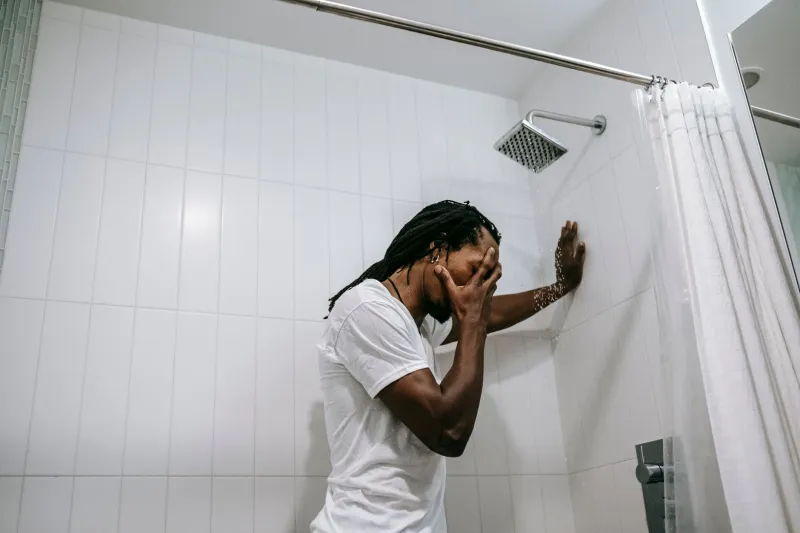
You've found the cottage. Stone walls, a view over fields, a log basket by the stove and a bathroom photo with a big rainfall shower head. It looks restful. Then you arrive, turn the tap and get a lukewarm dribble that takes four minutes to rinse shampoo out of your hair. Rural cottage breaks are supposed to slow you down, but there's a difference between a gentle pace and a shower that feels like it's been asked nicely to perform.
Water pressure is not the most glamorous thing to check before booking. It won't appear in the dreamy first paragraph of a listing, and most guests don't think about it until they're standing under a weak spray with conditioner in one eye. But for a restful British stay, it's worth ten minutes of homework. Here's how to read the signs without turning your cottage search into a plumbing exam.
Why rural water behaves differently
Town water usually arrives with predictable force. Rural water often has a longer, more characterful journey. A cottage might be on a private borehole, a spring supply or a shared rural main. It might have a cold tank in the loft and a hot water cylinder, with pressure relying on gravity and a pump. It might have a combi boiler that needs decent incoming mains pressure to work well. It might have an electric shower, which heats water itself but often delivers a steadier, gentler flow than a pumped mixer shower.
None of these systems is automatically bad. A well-set-up gravity system with a good pump can be perfectly pleasant. A private supply can be excellent. The issue is that two cottages can look almost identical in the photos and perform very differently in the bathroom. A rainfall shower head is a lovely thing, but it needs pressure behind it. Without that, it becomes a wide, sad drizzle.
Older cottages add another variable: pipework. Long runs, narrow pipes, limescale and a bathroom added into a space that was never designed for it can all affect flow. That doesn't mean you should avoid characterful cottages. It means the bathroom deserves a closer look than the beam count.
The listing clues worth reading twice
Start with the wording. Phrases like "private water supply", "spring-fed", "borehole", "gravity-fed", "electric shower" and "low pressure" are not warnings to run away from. They're prompts to ask a question. If a listing says water pressure can vary because of the rural location, believe it — and ask what that means in practice.
Look at the bathroom photos with a practical eye. A white box on the wall is often an electric shower; fine, but usually not a power shower. A large rain head with a separate hose can be lovely, but ask what feeds it. A visible pump or a hot water cylinder isn't a problem; it just tells you the system is doing some work. A bath is a useful backup, especially if the shower turns out to be gentle.
Reviews can help, but read between the lines. "Shower was fine for a cottage" might mean exactly that, or it might mean the reviewer was being kind. "Water pressure wasn't amazing but we managed" is a clue. "Best shower we've had in a rental" is a good sign, though not a guarantee. If several reviews mention the shower in the same cautious way, take note.
Five questions to send the owner
A short, friendly message is usually welcome. Owners would rather answer a question than have a guest arrive disappointed. Try these:
- What kind of water supply and hot water system does the cottage have — mains, private supply, combi boiler, tank or something else?
- Is there a pressure-boosting pump, or is the system gravity-fed?
- Is the shower electric or a mixer shower, and is it the main shower in the cottage?
- Can two people shower one after another without waiting, and does using the kitchen tap affect the bathroom?
- Are there any known quirks — for example, a gentler flow upstairs, or pressure that changes with the season?
If you have long or thick hair, or you're booking with a family who all want showers at the same time, say so. It's not fussy; it's useful context. You could even ask whether the owner can send a short video of the shower running. Some will, some won't, but the answer itself tells you something about how forthcoming they are.
What the answers actually mean
A gravity-fed system with no pump usually means a soft, old-fashioned shower. Some people love that. Others find it frustrating. An electric shower tends to be consistent but not powerful; it won't blast you awake, but it may be perfectly adequate. A combi boiler on good mains pressure is often the most straightforward setup, though a rural location can still mean variable incoming pressure. A private supply with a pump and a decent tank can be excellent — but ask about the pump, not just the supply.
If an owner says "nobody has ever complained", that's polite but not very specific. Better answers mention the system, the shower type and any known limitations. If the reply is defensive — "it's a rural cottage, what do you expect?" — that's useful too. It may still be a lovely place, but you now know to adjust your expectations.
The quiet comfort checks beyond the shower
Water pressure isn't only about shampoo. It's filling the kettle, washing up after dinner, flushing the loo and running a bath after a muddy walk. A cottage can be photogenic and still have a kitchen tap that takes an age to fill a pan. Think about your actual routine: a family of four, a dog to rinse, long hair, a partner who likes a proper soak. A gentle trickle might be charming for a weekend and irritating by day three.
If pressure is a dealbreaker, prioritise cottages with a bath, a pumped system or a clear note that the shower is powerful. If you fall for a place with a gentler setup, plan around it: bath first, shower at a quieter time, or simply accept that rural water has its own pace. The point isn't to demand city pressure in a seventeenth-century barn. It's to know what you're booking before you pay.
Add water pressure to your usual cottage checklist, somewhere between parking and pub distance. A good owner will answer clearly, and a clear answer is worth more than another photo of a cushion. In 2026, with so many rural stays to choose from, it's fair to ask how the taps behave. Then you can get back to the important business of deciding which boots to pack.