Wet Boots, Dry Floors: The Cottage Hallway Test That Beats a Glossy Listing
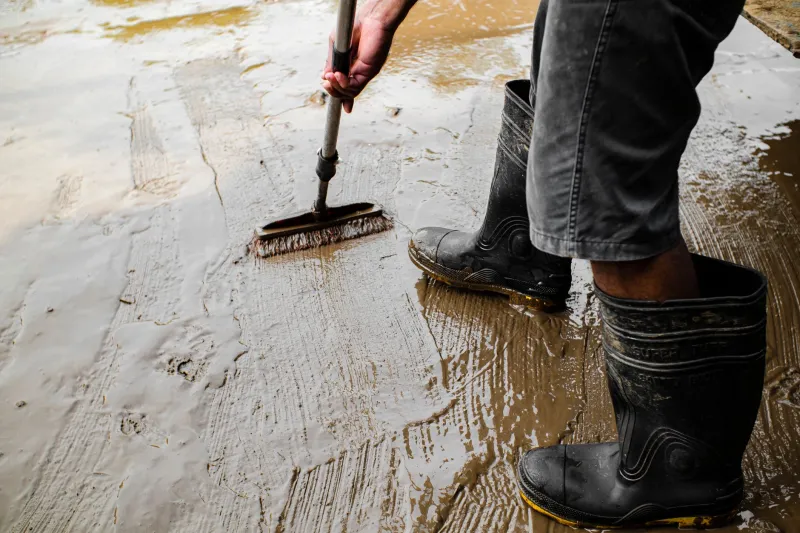
Most cottage listings sell the view. Fair enough. A valley window or a lane-end pub is a fine reason to book. But the first ten minutes after a wet walk tell you more about whether a place works than any sunset photo ever will. And that story usually starts in the entrance hall.
At NTS Holidays, we spend a lot of time looking at rural stays through the lens of the return journey: the muddy boots, the soggy dog towel, the waterproof that needs somewhere to drip that isn't the bedroom floor. The hallway, porch or boot room is the working heart of a walking cottage. If it has been thought through, your stay feels easier from day one. If it hasn't, you'll be balancing wellies on a decorative console table and hoping for the best.
Start with the floor, not the flowers
Hard flooring is the first clue. Slate, stone, tile or good-quality vinyl in the entrance is a quiet promise that the owner expects wet feet. Carpet right up to the front door isn't a deal-breaker, but it does mean you'll be doing a careful shoe dance every time you come in from a farm track or coastal path.
Look closely at listing photos. Is there a mat inside the door? A boot tray, or at least space for one? Are there rugs that look as though they've been chosen for looks rather than slipperiness? A stone floor with a washable runner is a very different prospect from pale carpet and a single decorative doormat. Neither is wrong, but only one is set up for a British autumn.
The boot zone: trays, benches and honest hooks
A proper boot zone doesn't need to be fancy. It needs to be practical. Boot trays keep mud contained. A bench or low stool means you can sit down to wrestle off wellies without hopping about. Hooks at two heights are better than one row of stylish pegs that only suits coats, not dog leads and small waterproofs.
What you're looking for is capacity. If the cottage sleeps six, can six people hang a coat each, plus a few extras? Is there a basket for gloves and hats, or will those end up on the kitchen table? A hallway with one ornamental hook and a mirror is a hallway for photographs. A hallway with a welly rack, a dog lead hook and a shelf for torches is a hallway for real holidays.
Drying is the amenity nobody photographs
This is the big one. Wet coats need to dry overnight, and damp boots need air. A heated airer, a drying rack, a utility room, a covered porch or even a well-placed dehumidifier can make the difference between a comfortable week and a soggy one.
Check the listing for mentions of a drying room, airing cupboard, boot warmer or utility space. Look in reviews for phrases like 'handy porch', 'dried our coats' or 'nowhere to hang wet things'. Reviews are often kinder than they need to be, but they rarely invent drying space. If three separate people mention the porch being useful after a walk, believe them.
Light, space and the door-swing test
A rural entrance can be lovely and still be hopeless if you can't see what you're doing. Good lighting at the door matters in winter, especially if you're arriving after a pub supper or unloading in the rain. A motion-sensor light or a decent porch lamp is a small thing that feels enormous when you're carrying bags and a sleepy child.
Space is the other giveaway. Can the door open fully without knocking over walking poles? Is there room to turn with a rucksack? A narrow hallway isn't a problem if there's a porch or utility room doing the heavy lifting. But if the only entrance is a tight corridor with a cream carpet and no clear spot for boots, plan accordingly.
Dogs, children and the small details
Dog-friendly listings often mention towels, outdoor taps and washable floors. These are the details that matter. A stack of old towels by the door is a better sign than a fancy welcome hamper. An outside tap or hose means muddy paws can be dealt with before they meet the sofa. A stair gate or a handy utility room helps if your dog is wet and excited in equal measure.
For families, look for space to park a buggy, hang small coats and leave muddy shoes without blocking the route to the loo. The entrance hall is often the first place a cottage shows whether it has been designed for people arriving with real life attached.
Read between the review lines
Search reviews for words like 'porch', 'boot room', 'hallway', 'coats', 'muddy' and 'drying'. A review that says 'compact but fine for two' is useful. One that says 'the hallway was a bit tight with the dog and walking gear' tells you exactly what to expect. Neither is a reason to cancel, but both help you pack and plan.
Ask before you book
If the photos don't show the entrance clearly, ask. Is there a boot tray? Where do wet coats go? Is there an airer or drying space? Is there an outside tap for the dog? A good owner will answer without drama. A vague answer isn't necessarily a red flag, but it does tell you to bring a spare towel and a sense of humour.
The best cottage entrances aren't the grandest. They're the ones that say: come in, make a mess, we expected you. That's the sort of place worth unpacking in.